



нержавеющая сталь наплавка процесс
/The Versatility of Stainless Steel Sheet Grinding Mills In the realm of industrial manufacturing and processing, stainless steel has established itself as a remarkable material, particularly in applications where hygiene, durability, and resistance to corrosion are paramount. One fascinating innovation in utilizing stainless steel is the development of specialized grinding mills, which not only enhance productivity but also ensure high standards of cleanliness. Understanding Stainless Steel Stainless steel is an alloy primarily composed of iron, carbon, and a minimum of 10.5% chromium. The chromium content is what gives stainless steel its distinctive resistance to corrosion and staining, making it ideal for various applications across different industries. The material's non-reactive nature also makes it suitable for operations involving food products, pharmaceuticals, and chemicals, ensuring safety and compliance with health regulations. The Role of Grinding Mills Grinding mills play a crucial role in the manufacturing process, particularly in the refinement of materials. They come in various forms—ball mills, hammer mills, and impact mills, among others. The purpose of these machines is to reduce material size, making them more suitable for subsequent processes. In many cases, stainless steel is the preferred material for the construction of grinding mills due to its robustness and protective qualities. Benefits of Stainless Steel Grinding Mills . 2. Hygiene In industries like food processing or pharmaceuticals, maintaining a sterile environment is critical. Stainless steel’s non-porous surface makes it easy to clean, preventing contamination and ensuring compliance with health regulations. This hygienic property is essential for avoiding cross-contamination, which can have severe implications in sensitive manufacturing sectors. آسیاب ورق فولادی ضد زنگ 3. Durability and Strength Stainless steel is known for its mechanical properties. Grinding mills made from this material can withstand high impact and stress levels during operations, delivering consistent performance over time. The durability of stainless steel reduces downtime associated with equipment failure, ultimately leading to increased productivity. 4. Versatility Stainless steel grinding mills can be designed to handle a variety of materials, from grains to minerals. Their adaptability makes them suitable for many industries, including food and beverage, pharmaceuticals, and metal processing, among others. 5. Energy Efficiency Modern stainless steel grinding mills are designed to operate efficiently, consuming less energy while maintaining high throughput levels. Innovations in technology allow for precise control of grinding conditions, improving the overall efficiency of the milling process. Applications in Various Industries Stainless steel grinding mills find their application across numerous industries. In the food industry, they are used to grind grains, spices, and herbs, ensuring that the final products meet specific texture and consistency requirements. In pharmaceuticals, these mills help in the production of fine powders for medications, contributing to the efficacy of active ingredients. Moreover, in the metal processing sector, stainless steel grinding mills are employed to refine metals for recycling or manufacturing purposes. Their capability to handle tough materials makes them indispensable in ensuring high-quality end-products. Conclusion The integration of stainless steel in the design and construction of grinding mills represents a significant advancement in manufacturing technology. By leveraging the inherent properties of stainless steel—such as durability, corrosion resistance, and hygiene—industries can achieve greater efficiency, safety, and product quality. As technology continues to evolve, the role of stainless steel grinding mills will undoubtedly expand, driving innovations that benefit a wide range of sectors. The future looks promising for stainless steel applications, transforming not just how we manufacture but how we think about material choice in production processes.

We have successfully executed over 500
projects around the world,
many first-of-their-kind
research projects and products in China, including
We have successfully executed over 500
projects around the world,
many first-of-their-kind
research projects and products in China, including
-
2004
The 1st hydraulic AGC system for hot rolling of ribbon steel
-
2006
The 1st AFC system used for 1450mm skin pass mill
-
2009
The 1st 5-stand tandem line with 2-stand POR & Uncoiler for 650mm ribbon steel
-
2012
The 1st reversing mill for 1380mm strip
-
2016
The 1st soft-rolling system used in skin pass mill
-
2019
The 1st fully automated medium-width tandem cold rolling mill
-
2021
The 1st 5000KN Twin-stand double skin pass mill
-
2022
The 1st coupled pickling line & tandem cold mill with two modes - big roller & small roller
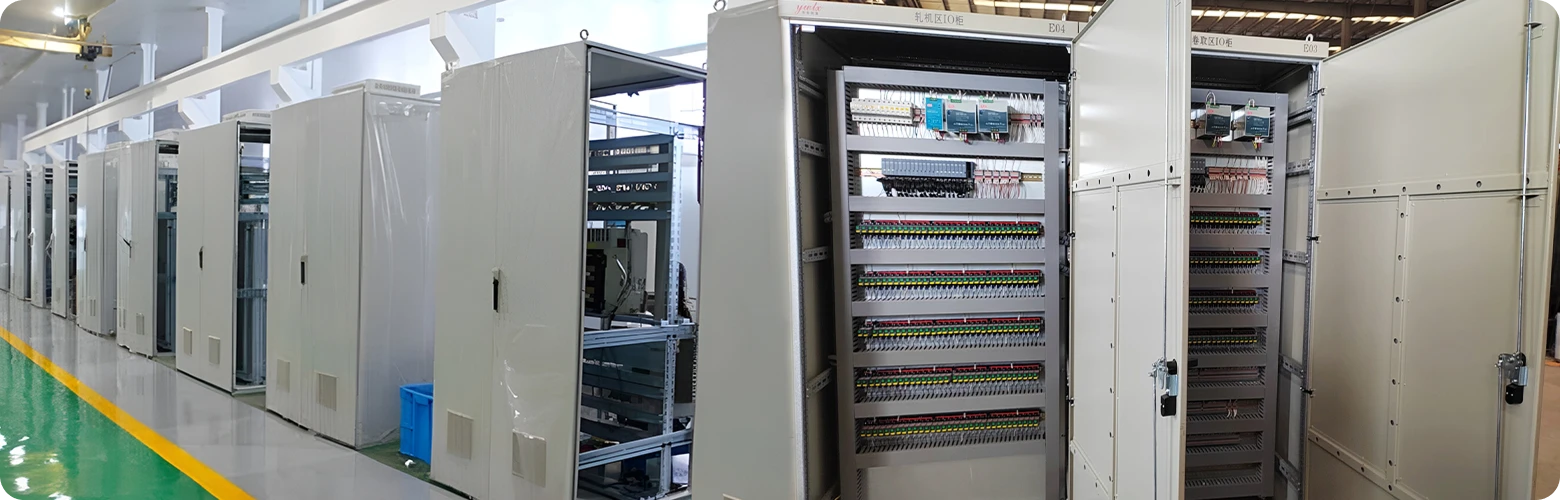
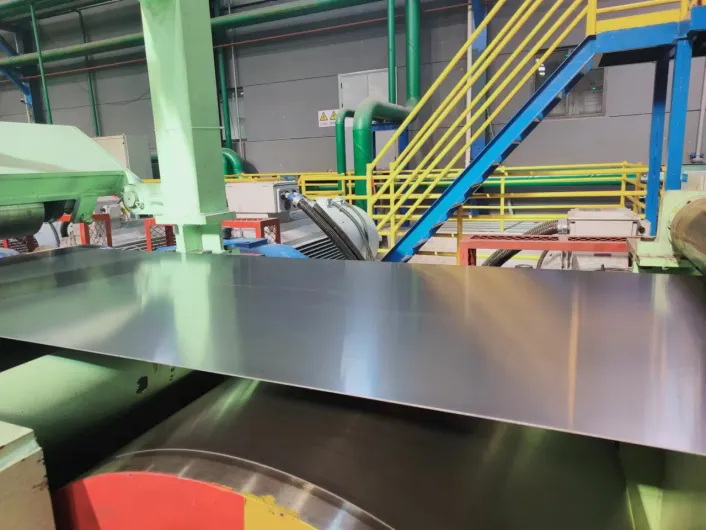
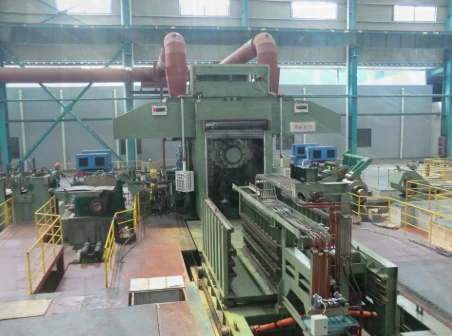
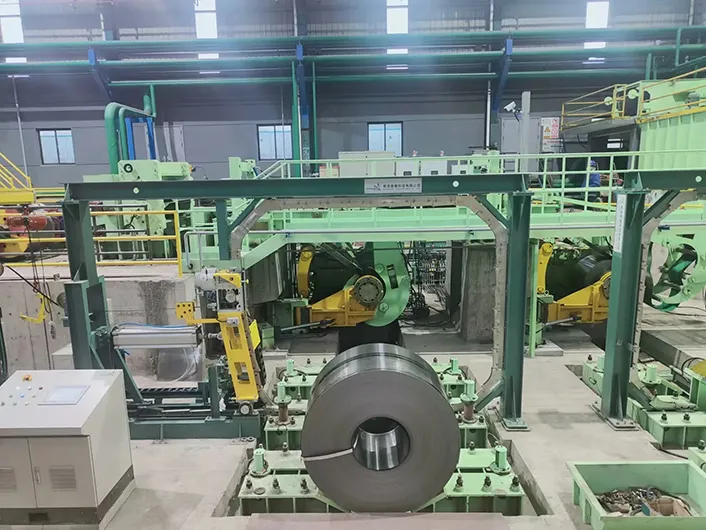
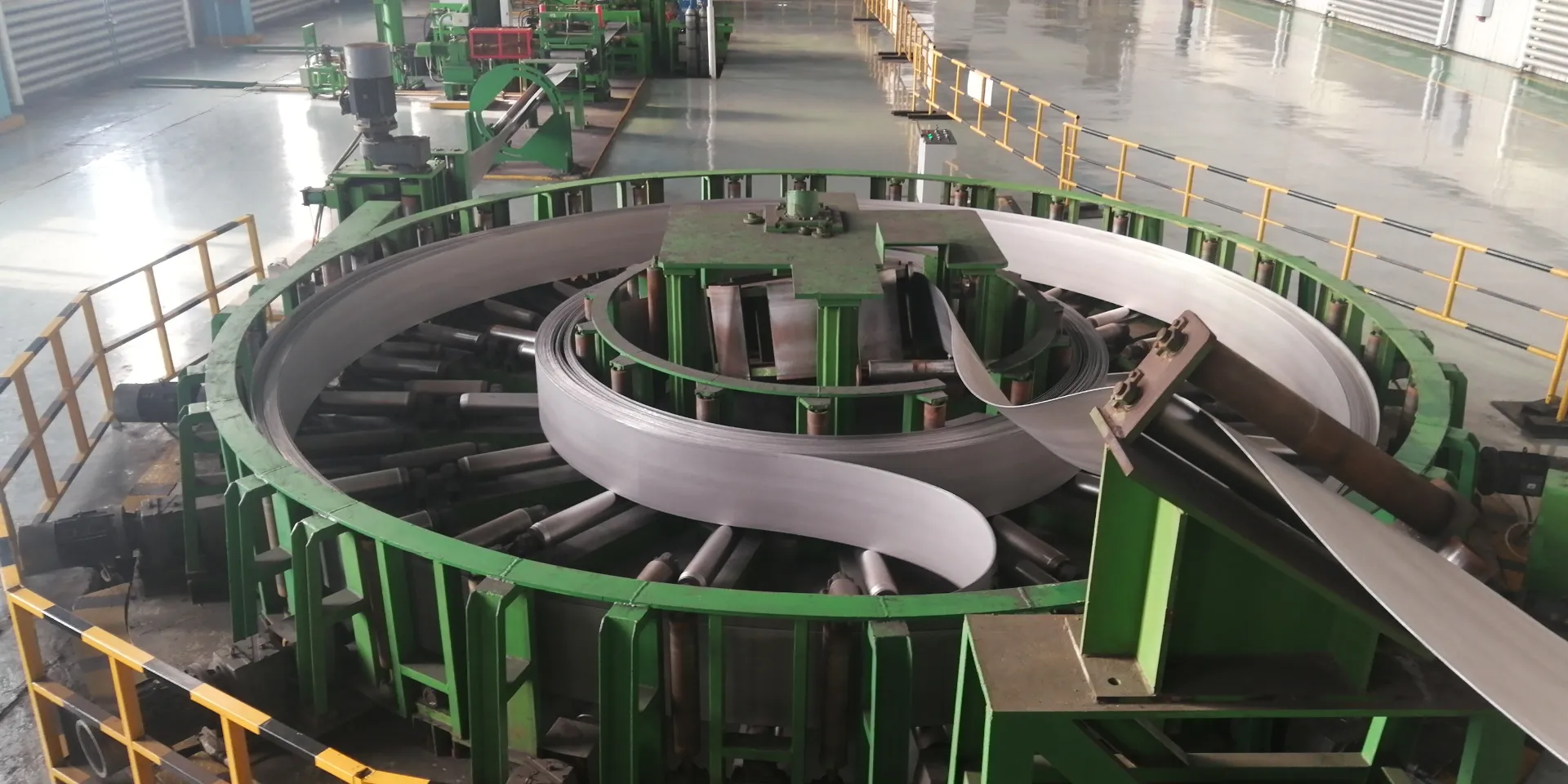
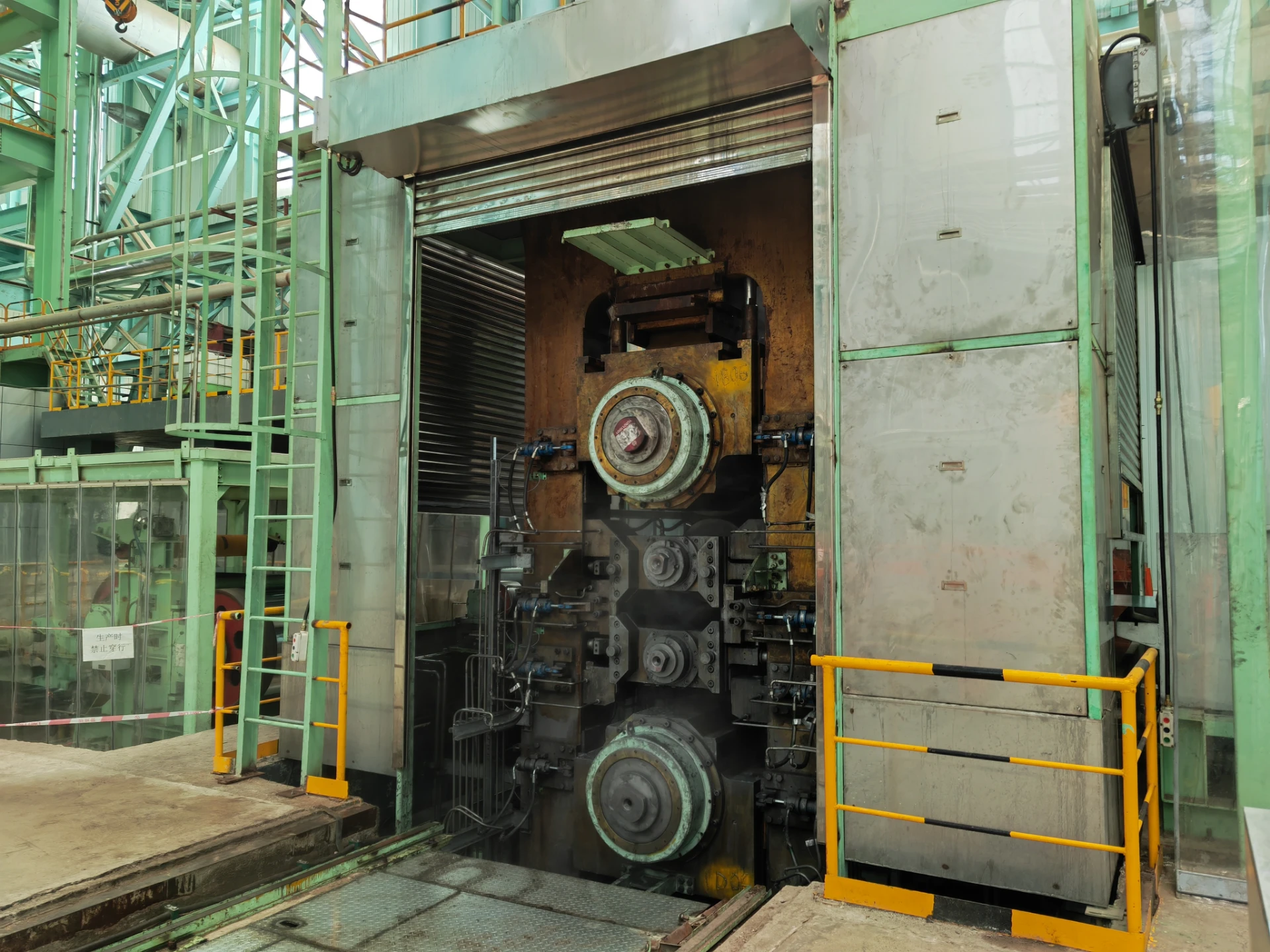
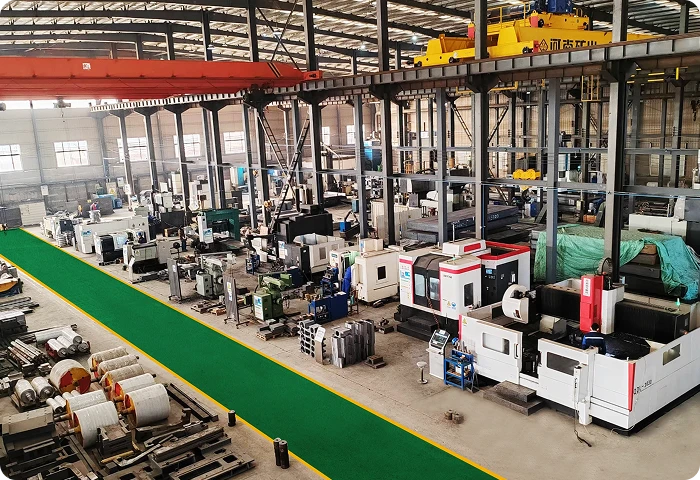
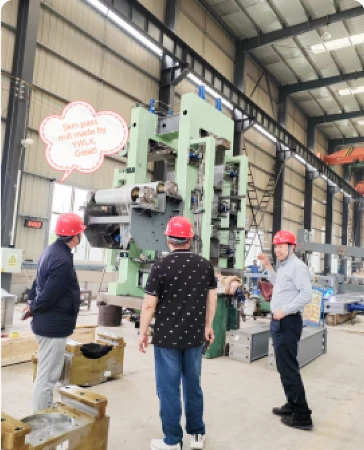
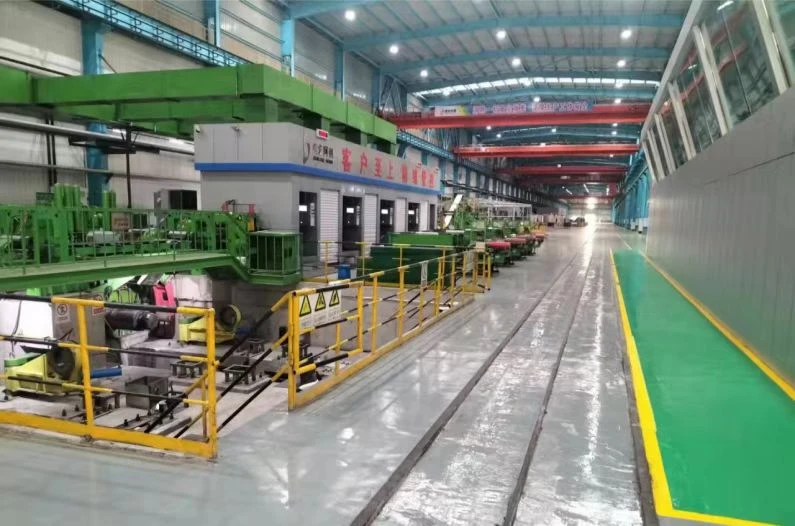
Yang Wang Li Xin operates a state-of-the-art facility over 66,000 square meters,and our manufacturing facility is fully equipped with high-tech machinery and high-capacity cranes. This enables us to handle large work pieces measuring 4.5m in width, 10m in length, and 1.5m in height, guaranteeing our capacity to produce 1800mm skin-pass mills and 1450mm rolling mills. The individual piece can weigh up to 100 tons.

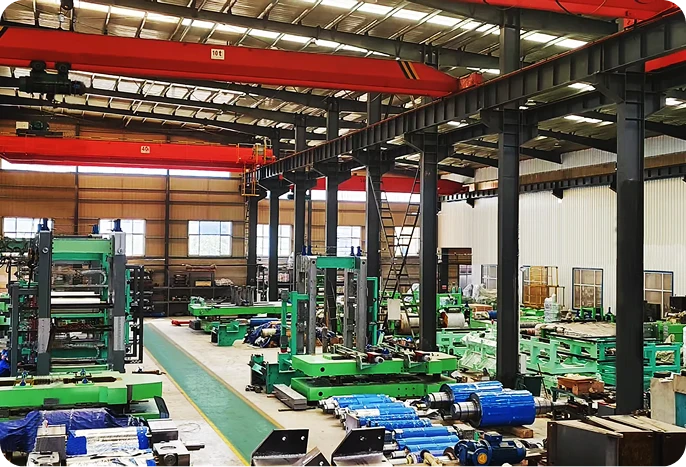

Quality is fundamental to the enterprise survival. We have established a comprehensive and meticulous quality management system and have successfully obtained ISO14000 certification. Starting from the design source, it supervises the entire production cycle, including design, procurement, processing, assembly, in-factory testing, installation, and online commissioning. The workshop is equipped with measuring tools like vernier calipers, spectrometers, hardness testers, and ultrasonic flaw detectors. They are used to check materials and control tolerances to ensure the final equipment meets or exceeds requirements. All products have a unique code, This enables the easy identification and traceability of the equipment components and ensures full control of quality.


-
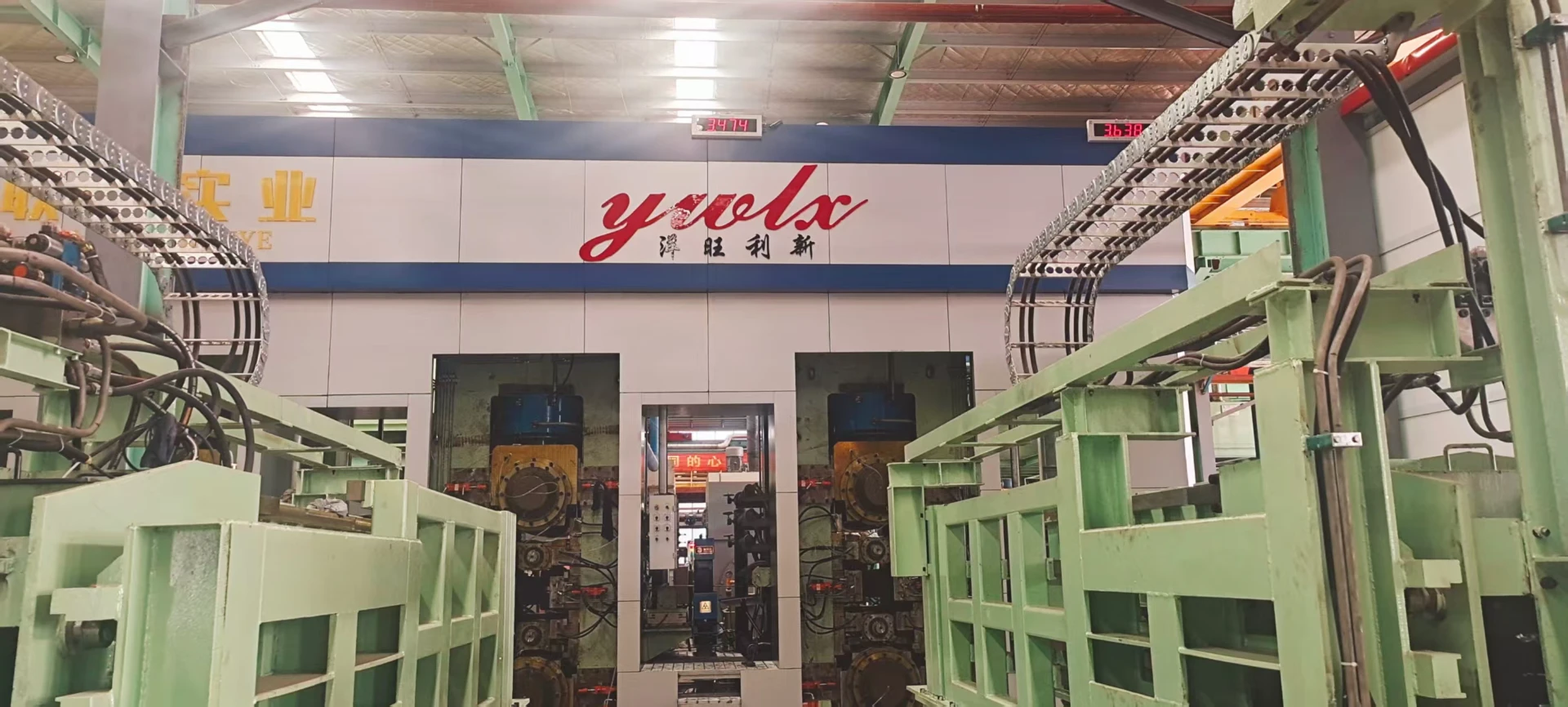 Cladding Rolling Mill - YWLX | Energy Efficiency, PrecisionIntroduction The Cladding Rolling Mill developed by Beijing Yang Wang Li Xin Sci&Tech Co.,Ltd. (YWLX) represents a significant advancement in metallurgical technology. This innovative system addresses critical challenges in traditional cladding processes, offering improved surface quality, energy efficiency, and cost-effectiveness. As industries increasingly prioritize sustainability and precision
 -
 Cladding Rolling Mill - Beijing Yang Wang Li Xin Sci&Tech Co.,Ltd.|Roll Bonding Cladding, Hot Roll Bonding CladdingCladding Rolling Mill is a cutting-edge solution designed to address the evolving demands of modern manufacturing. Developed by Beijing Yang Wang Li Xin Sci&Tech Co.,Ltd. , this technology offers a seamless blend of efficiency, environmental responsibility, and high-quality output. In this article, we explore the technical features, advantages, applications, and the company’s commitment to innovat
 -
 fabbricazione laminatoiThe art and science of rolling mill manufacturing, or fabbricazione laminatoi, is a cornerstone of modern industrial production. The intricacies involved in this process not only reflect the dedication to precision and efficiency but also the advances in technology that have revolutionized metalworking industries globally. From small-scale workshops to vast production facilities, the role of rolli


